The EME4EU project is co-funded by the European Union. The views and opinions expressed in this publication are those of the author(s) only and do not necessarily reflect those of the European Union or the Spanish Service for the Internationalisation of Education (SEPIE). Neither the European Union nor the National Agency SEPIE can be held responsible for them. -- Project Number: 2025-1-ES01-KA220-HED-000358473 --

The Universidad de Murcia (UMU) joined the EME4EU project as associated partner. It is a comprehensive institution with tens of thousands of students, structured across multiple campuses, primarily Espinardo and La Merced. UMU offers a wide range of undergraduate, master’s, and doctoral programs within the European Higher Education Area, with notable strengths in health sciences, law, social sciences, and environmental studies.
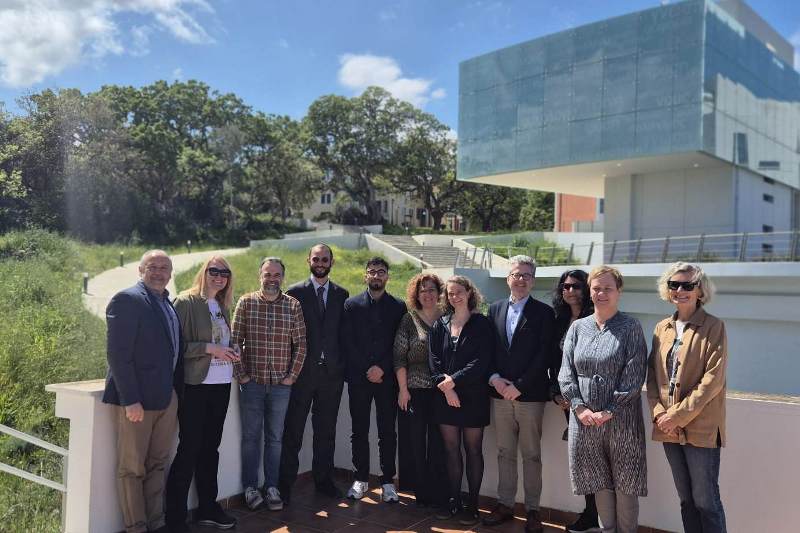
The second partners' meeting of the EME4EU project took place in Rethymno (EL) on 30 - 31 March 2026. All partners participated in the meeting, and the main discussed topics were:
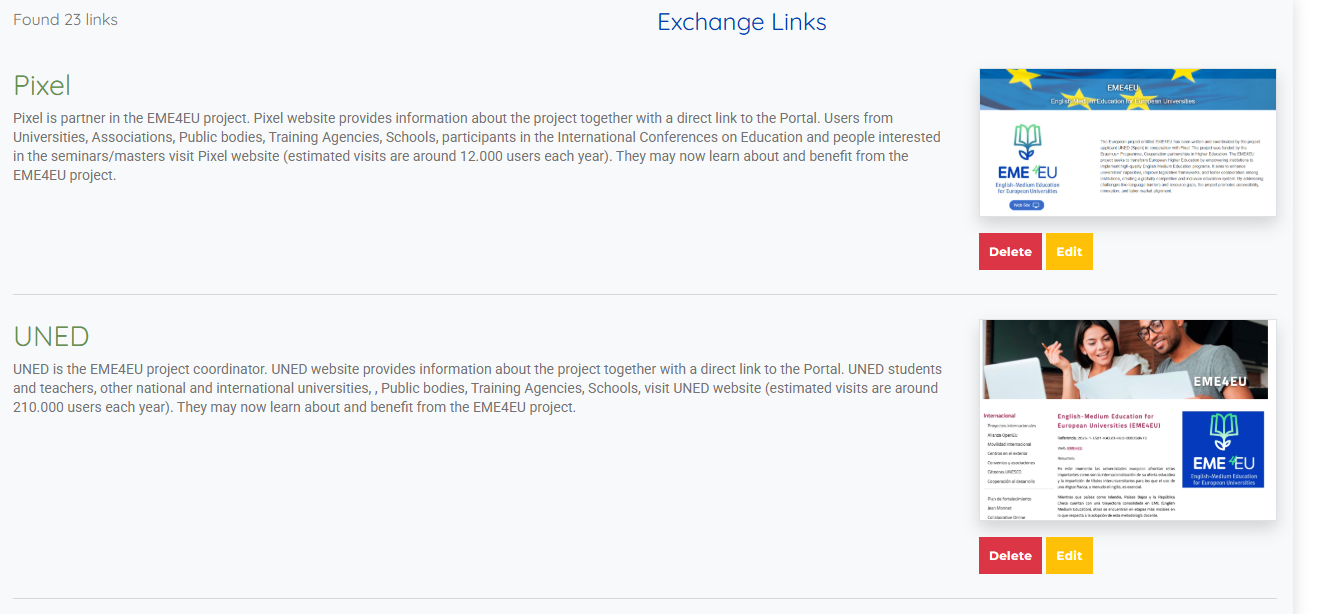
Several educational websites promoted the Co-Think project through a dedicated link. The complete list of websites is available in the Press Review section.
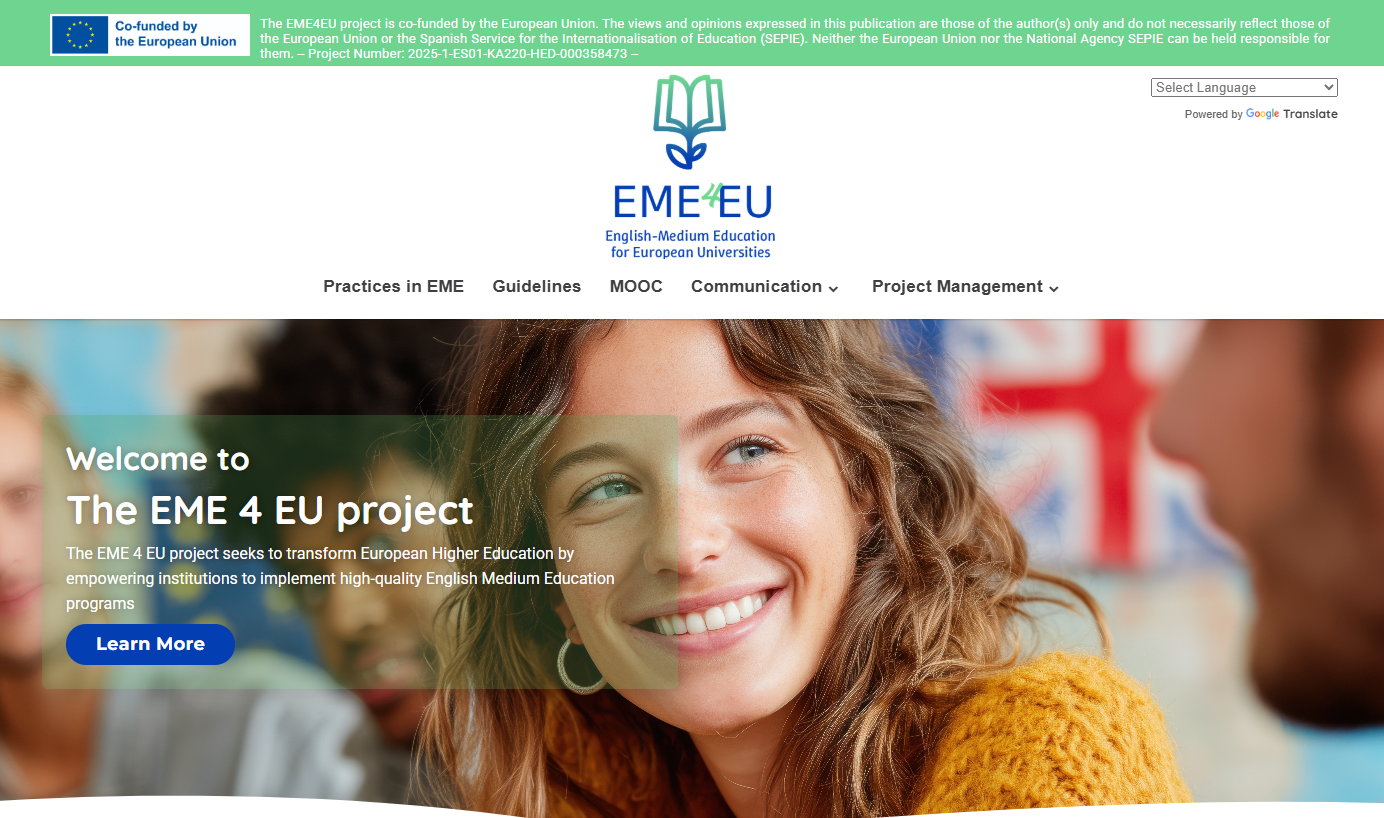
The EME4EU project website is available on the Internet. The project website is the main tool to guarantee the dissemination of the project information and the sustainability of the project results. The project website is also an important support to the project management and facilitates partners' cooperation.
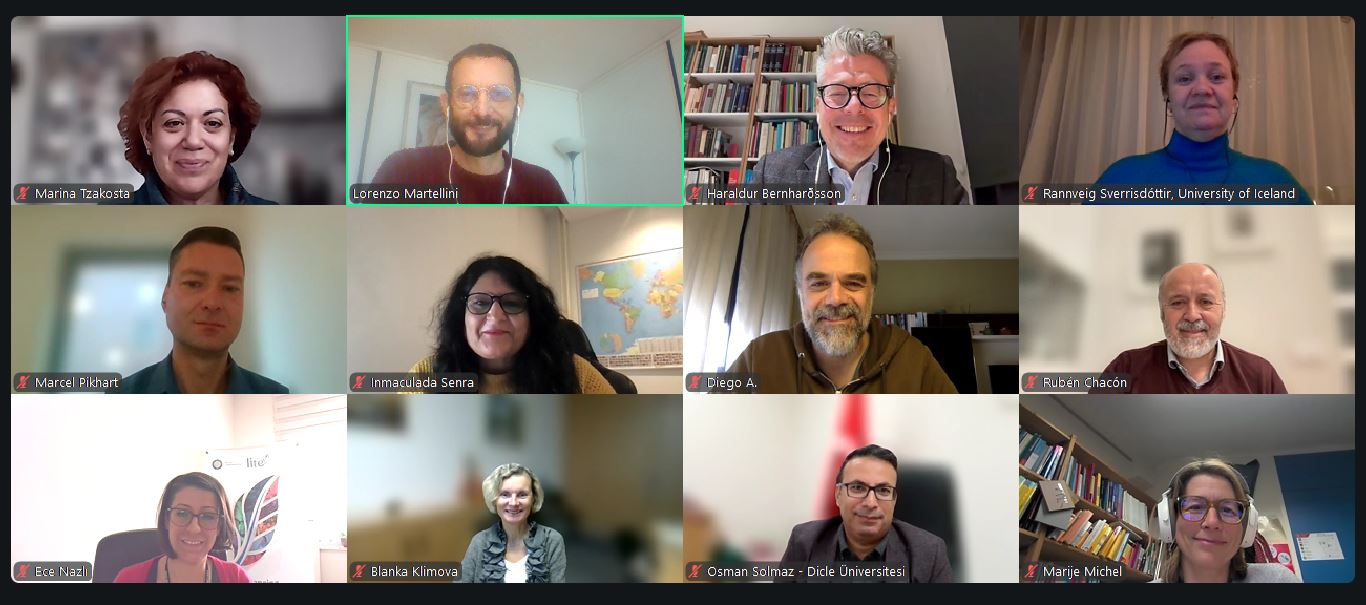
The first partners' meeting of the EME4EU project took place online. All partners participated in the meeting and the main discussed topics were:
The European project entitled EME4EU has been written and coordinated by the project applicant UNED (Spain) in cooperation with Pixel and the other partners. The project was funded by the Erasmus+ Programme, Cooperation partnerships in higher Education. The EME4EU project has the aim to transform European Higher Education by empowering institutions to implement high-quality English Medium Education programs. It aims to enhance universities’ capacities, improve legislative frameworks, and foster collaboration among institutions, creating a globally competitive and inclusive education system.